





The Psychology of Mid-Week Team Building Decisions
Tuesday, February 24, 2026
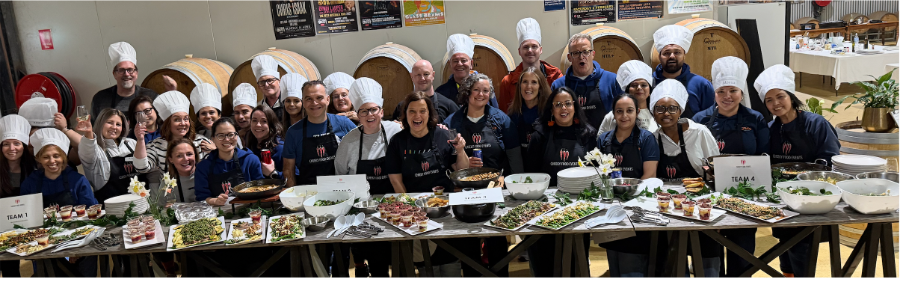
In most organisations, Mondays are about catching up and Fridays are about switching off.
Mid-week — particularly Tuesday to Thursday — is when decisions actually happen.
This is when:
- Team leaders notice disengagement
- HR teams act on upcoming planning gaps
- Executive Assistants are empowered to source solutions
- Budgets are more easily approved
By the time Friday arrives, even great ideas are often parked for “next week”.
That’s why cooking team building experiences are most often researched, shortlisted and booked mid-week — when people are in solution mode.
Why Cooking Team Building Fits the Mid-Week Mindset
Cooking team building works because it meets multiple objectives at once:
- It’s hands-on, not awkward
- It encourages collaboration without forced interaction
- It creates shared success under time pressure
- It finishes with something tangible: a meal, a moment, a memory
Mid-week events tap into this perfectly. Teams arrive engaged, focused and open — rather than mentally clocked out.
Is Mid-Week Better Than Friday Team Building?
Short answer: yes — for outcomes.
Friday team building can feel like a reward.
Mid-week team building feels like an investment.
We see stronger results mid-week in:
- Participation
- Energy levels
- Collaboration
- Feedback scores
- Post-event conversations
That’s why many organisations now deliberately schedule cooking team building on Tuesday, Wednesday or Thursday, rather than defaulting to Friday.
What HR and EA Teams Should Consider When Booking
If you’re planning a cooking team building experience, ask yourself:
- Do we want energy or obligation?
- Do we want engagement or attendance?
- Do we want a “fun day” or a meaningful shared experience?
Mid-week bookings consistently deliver:
- Better engagement
- Fewer last-minute cancellations
- Stronger leadership participation
- Clearer post-event impact
Why Cooking Team Building Is Different to Other Activities
Unlike passive activities, cooking requires:
- Communication
- Role clarity
- Time management
- Adaptability
- Collective problem-solving
That makes it ideal for:
- Leadership teams
- Cross-functional groups
- Newly formed teams
- Teams needing reconnection
And because it’s experiential, the impact lasts beyond the day itself — which is why organisations return to cooking team building year after year.
A Final Thought
The best team building doesn’t feel like time off work.
It feels like work done differently — together.
If you’re planning your next team experience, consider not just what you do, but when you do it.
Mid-week might be the secret ingredient.
Recent Posts
- The Psychology of Mid-Week Team Building Decisions
- Your Corporate Event Might Look Slick—But Is It Actually Doing Anything?
- Cooking, Culture and Connection: How Reconciliation and NAIDOC Week Can Strengthen Your Team and Workplace
- Office Christmas Party Ideas for 2024: Sydney Edition
- Exciting Team Building Activities in Sydney
- From Kitchen to Boardroom: Lessons Learned from Team Cooking Activities
- An Unforgettable Night of Culinary Delights and Charitable Cheer with Optus Leadership!
- Creating Lasting Memories: Why Team Cooking Events Are Perfect for Celebrating Milestones
- Team Building Activities Melbourne with Cheeky Food Events: Cooking Up Team Spirit!
- The Science Behind Team Cooking: A Recipe for Fun and Collaboration